

No products in the cart.

Dry Carbon vs. Wet Carbon Fiber: The Field Test Every Superbike Owner Needs
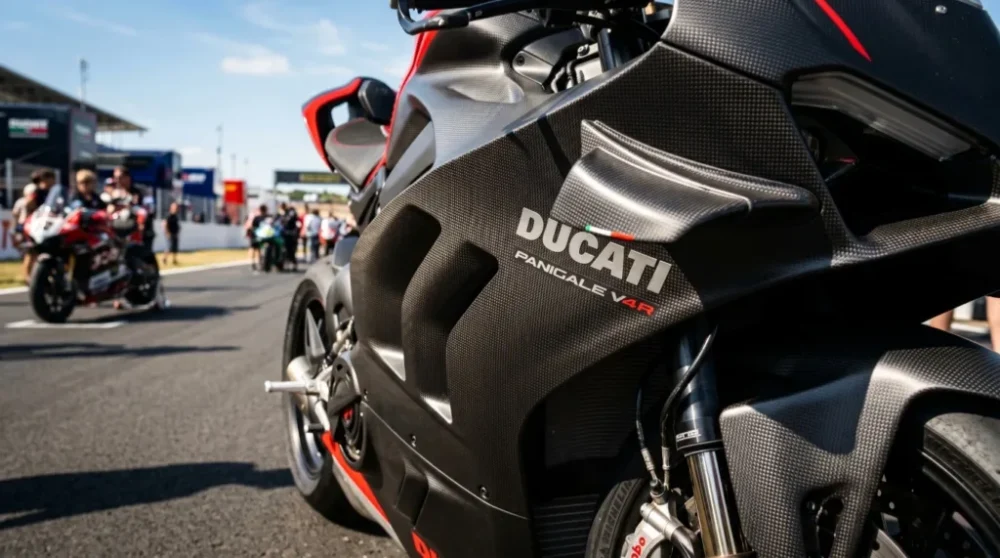
It’s lap nine at Laguna Seca, ambient temps pushing 95°F, and the fairing panel by your knee has just started to flex under braking. Somewhere between the mold shop and your garage, the dry carbon vs. wet carbon fiber question was answered for you — and not in your favor.
Every season, riders spend thousands assuming “carbon fiber” means one uniform material. It doesn’t. Wet lay-up and true autoclave dry carbon share a name and almost nothing else — in resin content, weight, or how they hold up once real heat and vibration get involved. Here’s how to tell which one is actually bolted to your bike.
The Science of Carbon: What Resin Content Actually Changes
| Specification | AK Carbon Dry Carbon (Autoclave) | Generic Wet Carbon (Wet Lay-up) | OEM Plastic |
|---|---|---|---|
| Resin Content | ~40% (precisely controlled) | 55–65% (inconsistent) | N/A |
| Cure Method | High-pressure, high-heat autoclave | Room-temp, ambient cure | Injection molded |
| Weight (full fairing kit) | 4–6 kg (9–13 lbs) lighter than OEM ABS, per industry-reported ranges | Noticeably heavier | Heaviest |
| Heat Resistance | Sustained 150°C+ | Prone to delamination under heat | Softens/warps under heat |
| Surface Tolerance | ±0.2mm precision | Varies with mold quality | Wide factory tolerance |
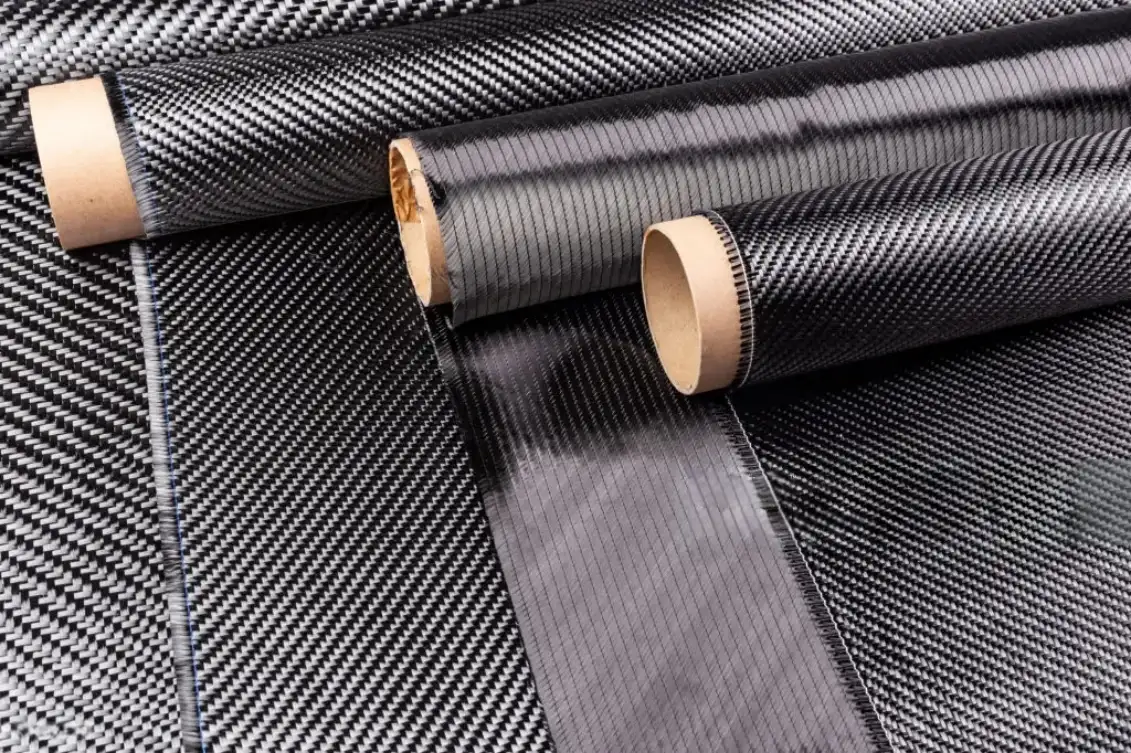
Wet carbon — the process behind most budget “carbon” fairings — is made by hand-laying dry fabric into a mold and brushing on liquid epoxy at room temperature. There’s no vacuum, no autoclave, and no precise control over how much resin ends up in the part.
Dry carbon starts from pre-preg fabric — fiber that arrives from the factory already impregnated with a precisely metered resin content. It’s laid into a steel mold, vacuum-bagged, and cured under high heat and pressure inside an autoclave. That pressure is what removes the micro-voids and excess resin that wet lay-up can’t avoid.
Those numbers aren’t cosmetic. On track, that gap widens further. Repeated heat cycling from an exhaust running inches away, combined with sustained vibration above 8,000 RPM, is exactly the stress wet lay-up wasn’t engineered to survive. Autoclave curing removes the trapped resin pockets that would otherwise soften first under that combination, which is why panels cured this way hold their shape through a full track day instead of just a photo session in the paddock. A 15–25 point swing in resin content is the difference between a panel that sheds weight and one that just looks like it does. We don’t split the difference — every AK Carbon panel is cured to the same autoclave standard, full stop.
Precision & Fitment: The Tell Wet Carbon Can’t Hide
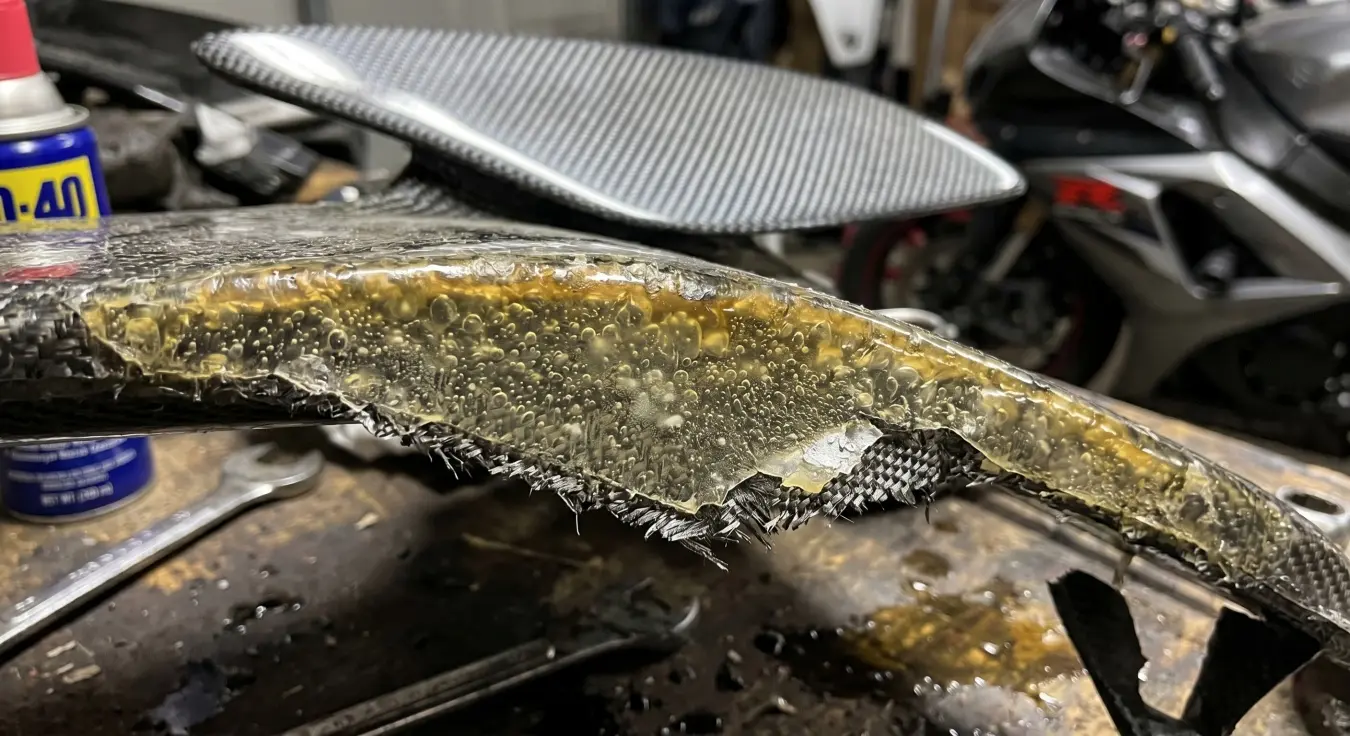
Ambient-cure resin shrinks unevenly as it sets. That’s why hand-laid wet carbon panels so often need a Dremel, a heat gun, or a zip-tie to actually seat against OEM mounting points — the mold geometry simply doesn’t hold through the cure.
Every panel ships pre-fitted to the mold it was cured in, which is what makes autoclave tolerance a testable claim rather than a marketing line.
This is where the resin-content gap in the table above shows up in the real world. For riders comparing options on a BMW S1000RR dry carbon program built to autoclave tolerance, OEM-perfect fitment isn’t a claim — it’s what a controlled cure actually produces.
Pro Tips for Installation
- Torque discipline over brute force — a general 4-6 Nm range is standard practice for carbon composite fasteners; always confirm against your specific fairing kit’s spec sheet before final torque.
- Dry-fit before final torque — set every panel by hand first and check panel gaps across the full fairing before committing to torque spec; this catches misalignment while it’s still adjustable.
- Anti-seize on captive hardware — a light film on threaded inserts prevents galling on repeat removal, especially relevant for track riders who pull bodywork between sessions.
Not every panel that says “carbon fiber” was cured the same way. If you’re speccing a full Ducati performance carbon program or comparing options for another platform, the resin content and cure method are what to ask about first — everything else is finish.
Why is dry carbon fiber more expensive than wet carbon?
The cost difference comes from the raw material and the process. Pre-preg fabric costs more than dry fabric alone, and autoclave curing requires specialized ovens and steel molds that wet lay-up doesn’t need. You’re paying for controlled resin content and repeatable tolerance, not just the finished look.
Can wet carbon fiber be repaired if it delaminates?
In some cases, minor delamination can be re-bonded with additional resin, but it rarely restores the original strength or finish. Because the resin distribution was inconsistent to begin with, repairs tend to be a temporary patch rather than a structural fix.
Does resin content affect a part’s stiffness, not just its weight?
Yes. Excess resin doesn’t add strength — the carbon fiber itself carries the structural load. A part with 55–65% resin has proportionally less load-bearing fiber than one held to a controlled ~40%, which is why wet carbon panels can flex more under the same stress.

About author

Related posts

Knowing how to tell real vs fake carbon fiber matters most when the aftermarket motorcycle industry is flooded with counterfeit materials. When you are upgrading... Continue reading
Add comment